

Ferric Chloride vs Ferrous Sulphate: Which Is Better for Wastewater Treatment?
Ferric chloride vs ferrous sulphate is an important choice for industrial effluent-treatment plants (ETPs), sewage-treatment plants (STPs) and chemical procurement teams. Both are iron salts used in water-treatment processes, but they introduce iron in different oxidation states and have different dosing, handling and process requirements. The cheaper quotation per kilogram may not be the lowest-cost treatment option.
This guide compares the two products, explains how process conditions affect performance and offers a bulk purchasing checklist. Actual chemical selection and dosing should always be established by qualified treatment personnel through site-specific testing.
What Is Ferric Chloride?
Ferric chloride (FeCl3) supplies ferric, or iron(III), ions. In water, ferric ions hydrolyse and can form iron hydroxide precipitates that assist coagulation and suspended-solids removal under suitable treatment conditions. Ferric chloride is also used in engineered chemical phosphorus-removal processes.
Liquid and solid grades
Commercial ferric chloride is available in aqueous solutions and solid forms. BulkFineChem lists a 38–42% FeCl3 liquid grade and an anhydrous grade. Product concentration and basis of measurement should be stated on the Certificate of Analysis (CoA); solution pricing cannot be fairly compared with solid pricing solely per kilogram shipped.
Where ferric chloride is commonly evaluated
Applications include ETP clarification, phosphorus precipitation, sludge conditioning and selected industrial uses outside water treatment. Effective coagulation depends on pH, alkalinity, wastewater characteristics, mixing, sedimentation and dose.
What Is Ferrous Sulphate Heptahydrate?
Ferrous sulphate heptahydrate (FeSO4·7H2O) is an iron(II), or ferrous, salt, commonly supplied as pale green crystals. It is used for selected treatment operations, iron supply and reducing reactions. Unlike ferric chloride, it begins with iron in the ferrous oxidation state, so oxidation conditions may matter substantially to its role as a coagulant.
Ferrous iron and oxidation
In some processes, ferrous ions are oxidised to ferric ions before or during precipitation. Oxygen availability, pH and other process conditions influence this transformation. It is therefore misleading to assume that ferrous sulphate will always behave like an equal mass of ferric chloride in the same tank.
Other industrial applications
Ferrous sulphate can also be used in appropriate cement, pigment and agricultural processes. Each application may require different impurity controls, assays and regulatory specifications. An industrial technical grade is not automatically approved for agricultural or potable-water applications.
Ferric Chloride vs Ferrous Sulphate: Comparison Table
Both chemicals can be useful, but their functions and delivered active-iron content differ. The table is an initial purchasing guide rather than a process-design specification.
| Factor | Ferric chloride | Ferrous sulphate heptahydrate |
|---|---|---|
| Iron oxidation state | Iron(III) | Iron(II) |
| Common supply form | Liquid solution or solid | Hydrated crystals |
| Typical evaluation | Coagulation, phosphate removal, sludge conditioning | Selected iron-based treatment and reducing applications |
| Important operating variables | pH, alkalinity, hydrolysis, mixing and dose | Oxidation, pH, alkalinity, mixing and dose |
| Handling considerations | Corrosive liquid handling for solution grades | Dry storage and controls for acidic, dusty crystals |
| Key purchasing documents | Solution strength, iron basis, CoA and SDS | Hydrate identity, iron assay, CoA and SDS |
Which Chemical Is Better for Phosphate Removal?
Ferric salts are widely evaluated for chemical phosphorus removal because ferric iron can bind phosphate and contribute to insoluble precipitate formation. Ferrous salts may also play a role in phosphorus-removal systems, but oxidation conditions and treatment design are important. Neither product guarantees a particular effluent-phosphorus result.
What influences performance?
Key factors include phosphate loading, pH, alkalinity, competing chemical species, residence time, dosing point and downstream solids separation. Facilities should assess residual iron and final water quality in addition to phosphorus removal.
Why a plant trial matters
A jar test can provide a useful screening comparison, followed by controlled validation under actual flow and loading conditions. Evaluate total chemical consumption and the volume and dewaterability of generated sludge. A lower unit price is not sufficient evidence of lower treatment cost.
How Does pH Affect Ferric and Ferrous Treatment?
Iron salts participate in pH-dependent aqueous reactions. Ferric chloride addition can consume alkalinity, while ferrous iron oxidation and precipitation are also influenced by pH and oxygen. A particular operating window must be determined from actual wastewater chemistry and the required effluent quality.
Do not copy dosing rates between plants
Two ETPs with similar-looking wastewater can have different pollutant loads, alkalinity and treatment objectives. A fixed public dosing recommendation may produce poor performance or excessive chemical consumption.
Monitor the wider treatment system
Qualified operators should monitor relevant parameters such as pH, alkalinity, turbidity, phosphorus, iron residuals and sludge characteristics according to the plant's approved procedures.
Storage, Handling and Safety
Both chemicals need suitable safety controls and a grade-specific Safety Data Sheet (SDS). The hazards are not identical.
Ferric chloride storage
Concentrated ferric chloride solution is corrosive and can damage incompatible materials. Use approved storage and transfer equipment, appropriate containment and site-specific personal protective equipment. Do not assume bare steel tanks or ordinary fittings are suitable.
Ferrous sulphate storage
Protect ferrous sulphate crystals from excessive moisture and air exposure, which may change their condition and surface chemistry. Maintain sealed packaging, batch identification and suitable dust controls. Confirm compatibility with other stored chemicals.
Prevent accidental mixing
Follow segregation and incident-response procedures rather than mixing treatment chemicals without authorisation. Plant engineers should approve materials of construction, transfer arrangements and any changes to dosing equipment.
What Should a Bulk Buyer Check on the CoA?
Ask for a lot-specific CoA and current Technical Data Sheet (TDS) before approving the order. Essential checks include:
- Exact product identity: ferric chloride solution or anhydrous product, versus ferrous sulphate heptahydrate.
- Declared concentration or assay: with the reporting basis and method clearly stated.
- Iron content and oxidation state: where important to process control.
- Impurity limits: as relevant to the intended industrial or regulated application.
- Batch traceability: lot number, sampling or test date and packing information.
- Handling documents: current SDS and required transportation or application-specific documentation.
For further guidance, see how to read a Certificate of Analysis and how to choose a bulk chemical supplier in India.
BulkFineChem Ferric Chloride and Ferrous Sulphate Products
BulkFineChem lists Ferric Chloride – Water Treatment Coagulant and Ferrous Sulphate Heptahydrate – Technical Grade. The ferric chloride listing describes 38–42% liquid material and anhydrous supply options. The ferrous sulphate listing describes green crystals with a typical iron assay of 19–21%. Both product pages mention a minimum order quantity of 1 MT; confirm current grades, availability and terms before purchase.
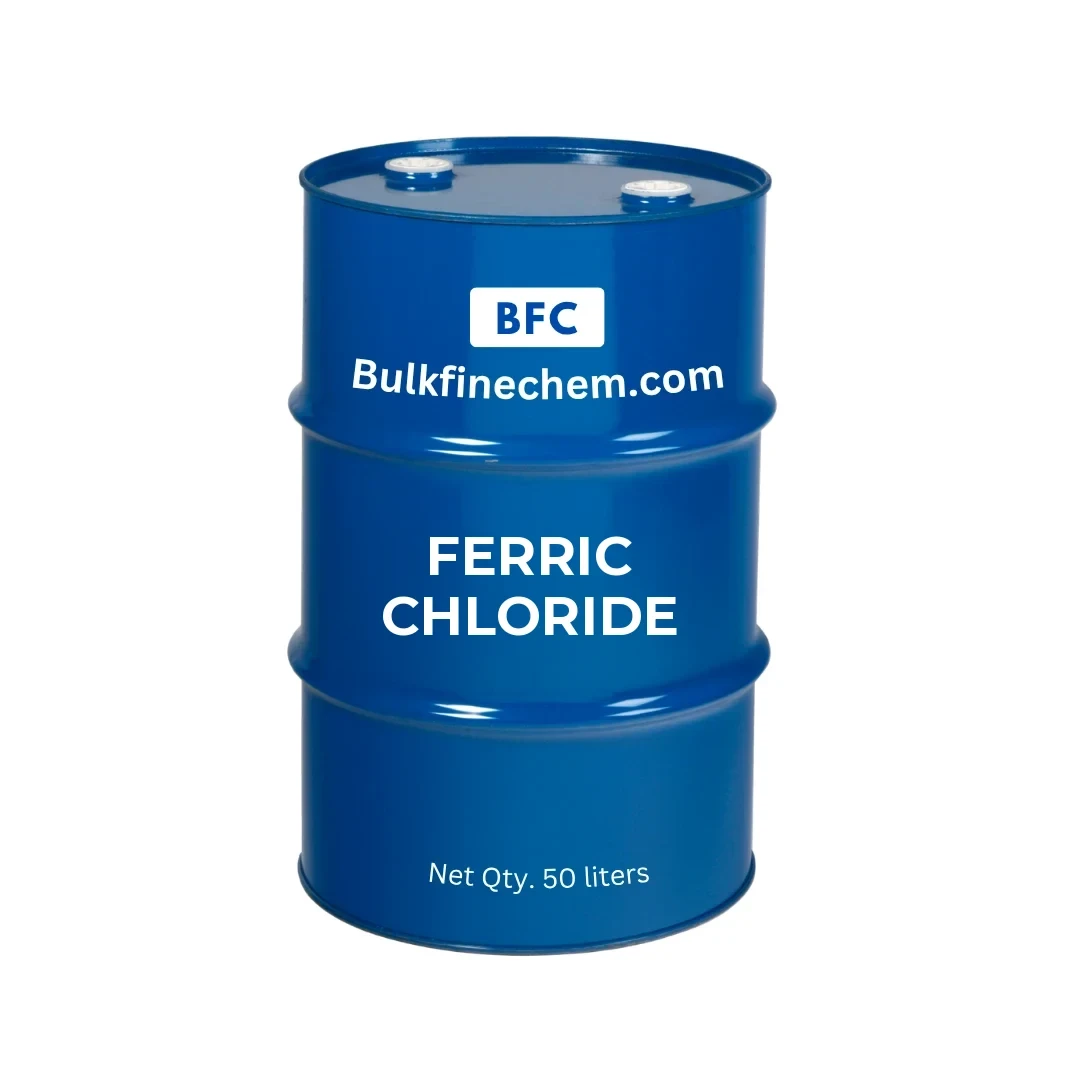 Ferric chloride bulk product listing
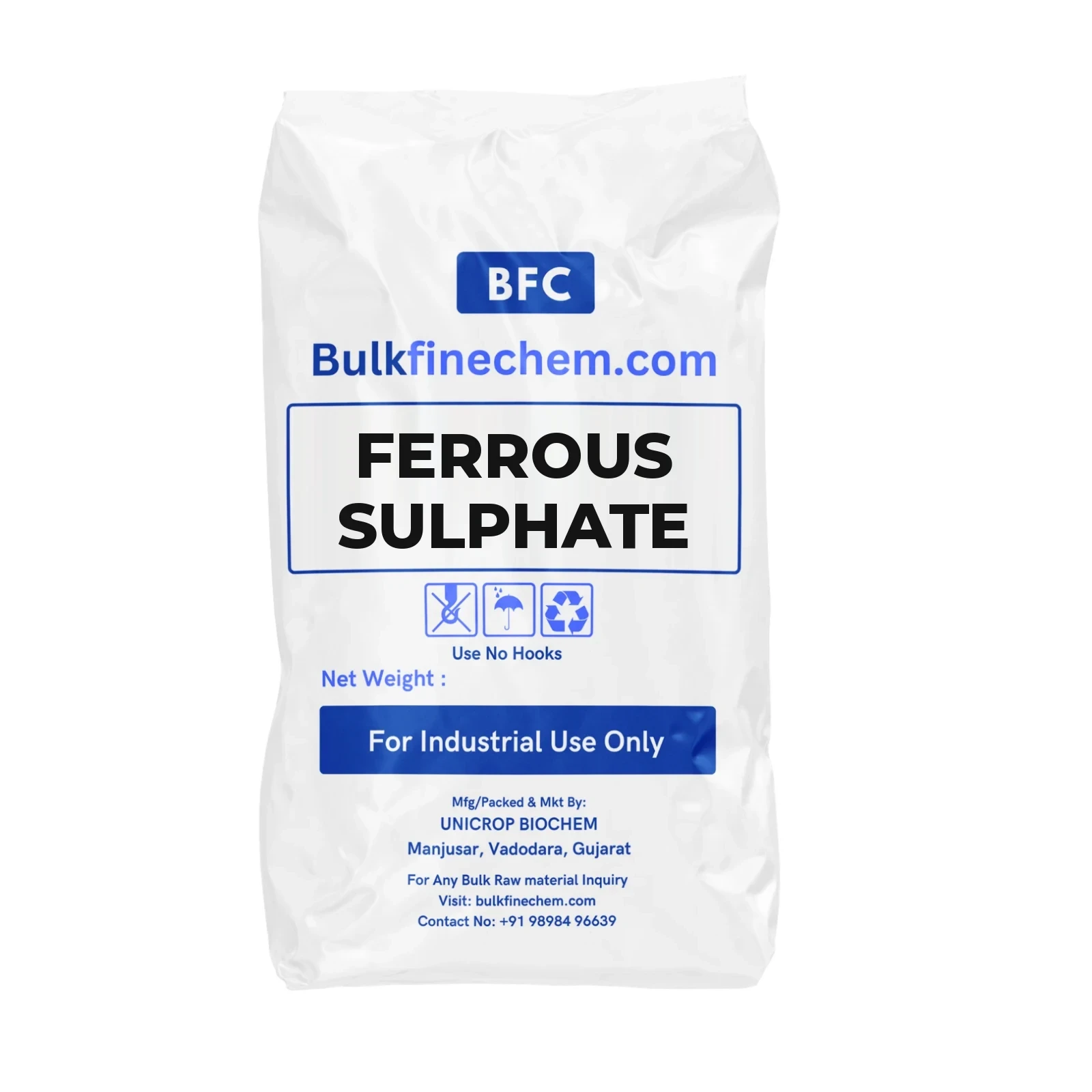 Ferrous sulphate bulk product listing
What to include in your quotation request
State the exact grade, required concentration or assay, intended industrial use, typical wastewater parameters, monthly quantity, packaging preference, delivery destination and technical documentation needed. If possible, include the target discharge requirements and ask about availability of a representative trial grade.
Frequently Asked Questions
1. Are ferric chloride and ferrous sulphate interchangeable?
No. Ferric chloride supplies iron(III), while ferrous sulphate supplies iron(II). Their performance and dosing requirements may differ, so substitutions need technical validation.
2. Which chemical is better for ETP coagulation?
It depends on wastewater composition, operating pH, solids separation and the plant's treatment objectives. Jar testing and plant validation are necessary to identify a suitable grade.
3. Can ferrous sulphate remove phosphorus?
Ferrous-based treatment can participate in phosphorus removal under suitable process conditions. Oxidation and other water chemistry factors can influence effectiveness; do not assume identical performance to ferric chloride.
4. Why is ferric chloride solution corrosive?
Ferric chloride solutions can be strongly acidic and incompatible with many construction materials. Use the supplier's SDS and approved plant materials specification for storage and transfer.
5. What is ferrous sulphate heptahydrate?
It is a hydrated iron(II) sulphate salt, FeSO4·7H2O. Its hydrate identity matters when comparing assay and purchase prices.
6. What paperwork should I request when buying in bulk?
Request a batch-specific CoA, current TDS and SDS, clear material identity and assay, and any application-specific quality or transport documents required for your site.
Conclusion: Compare Treatment Results, Not Just Purchase Price
The decision between ferric chloride vs ferrous sulphate should be based on iron chemistry, process requirements, validated treatment performance, safe handling and total operating cost. Procurement teams can reduce risk by asking for batch-specific evidence and involving the technical team before placing a large order.
Need iron-based water treatment chemicals in bulk? Review BulkFineChem's ferric chloride and ferrous sulphate product pages, then send your required grade, quantity and delivery location to request a quotation.